
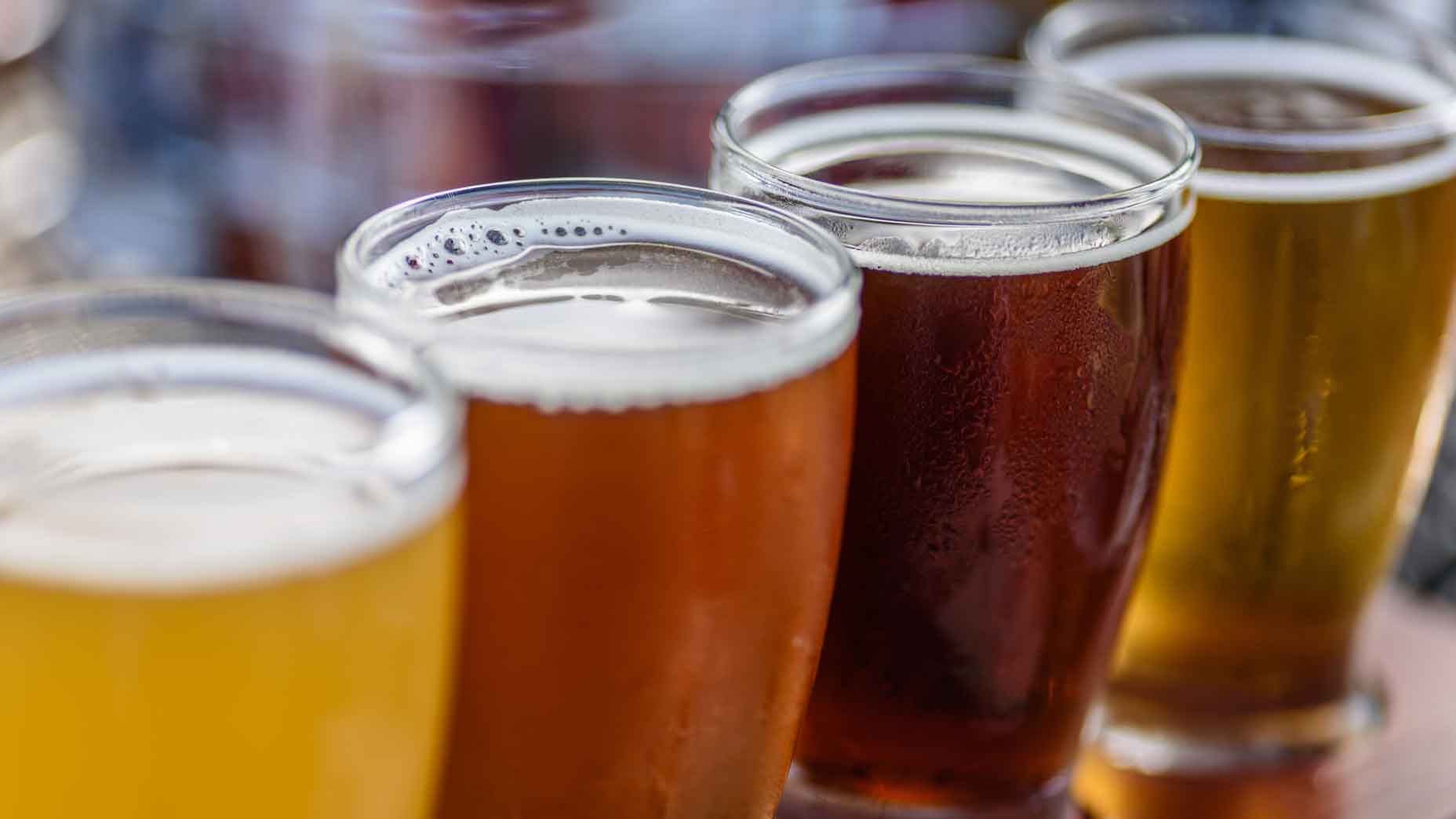
Earlier this year, when it cut the ribbon on a new golf course, Bandon Dunes also popped the top on a new beer. Launched in conjunction with the layout itâs named for, Sheep Ranch Lager is a light, bright, easy-drinking private-label beer, produced for the resort by acclaimed Ninkasi Brewing, in Eugene, Ore., with a recipe created by Sherard Rogers, a Bandon employee who knows his suds: heâs the food and beverage manager at the propertyâs popular watering hole, McKeeâs Pub. Heâs also a certified cicerone (the beer-world equivalent of a sommelier) and a seasoned homebrewer whoâs been honing his craft for more than a decade.
Making beer is like playing golf: you could do it for a lifetime and still have lots to learn. But improvement is elusive unless you know some basics, so GOLF.com asked Rogers to pour forth some fundamentals for those of us looking to brew our first batch.
1. Save a step
There are two main methods for homebrewing â extract and all grain â and the latter is more challenging, like playing from the tips. With all grain brewing, you do the mashing of malted grains in order to transform them into fermentable sugars. With extract brewing, you skip that work and buy malt syrup, which you mix with water to make your wort, or starter. Donât think of it as cheating. Itâs a sensible shortcut, Rogers says, especially for beginners. And a perfectly good way to make delicious beer.
2. Start with ales
Every beer is either an ale or a lager, and while lagers are frequently light-bodied, brewing them can be a heavy lift. Theyâre finicky to temperature, Rogers says, and susceptible to funky flavors if you make missteps along the way. Ales, by contrast, âand especially dark beers, like porters and stouts, hide flaws better,â Rogers says. Theyâre more forgiving when youâre just starting out, like wielding cavity-backs instead of blades.


Clubhouse Eats: 6 rules for smoking the perfect brisket, according to a famed golf resort’s experts
3. Beware of boil overs
Beer-making is a volatile process, and boil overs can make a sticky mess. The risk of them is often greatest when youâre adding hops to a roiling pot of wort, so give yourself leeway with properly sized equipment. If youâre making a 5-gallon batch of beer (a common volume in home brewing), for instance, youâll want about a 10 to 12-gallon pot.
4. Sanitize
Stirring spoons. Kettles. Fermentation buckets. Anything and everything that touches your beer-in-the-making should be clean as a whistle, especially after the wort cools.
5. Follow a Recipe
Homebrewing, like baking, is part craft, part science, and thereâs no shame in following precise instructions. âItâs like playing guitar,â Rogers says. âWhen youâre starting out, youâre usually playing someone elseâs music.â Name your favorite style of beer. Even if you canât find it at the corner store, you can locate a recipe for it online.

Clubhouse Eats: A golf course chef explains the 5 keys to making the perfect breakfast sandwich
6. Master a Style
Itâs not that you need to go all Malcolm Gladwell and spend 10,000 hours on a single type of beer. But Rogers recommends that you focus on one style until youâve got a healthy handle on it. âWhen I started out, I was probably too quick to start experimenting,â he says. âI made the mistake of bouncing around from style to style before Iâd managed to get one style down right.â
7. Take Notes
Even for a seasoned brewer, every batch of beer can be a little different. Jot down all the nitty gritty details â times, temperatures, ingredients, percentages â and youâll start to narrow down what does â and doesnâtâwork.
8. Have Fun
This should go without saying, but it merits a reminder. âItâs like golf in that sense,â Rogers says. âIf youâre not enjoying yourself, youâre probably taking it a bit too seriously.â